Safety3h ago
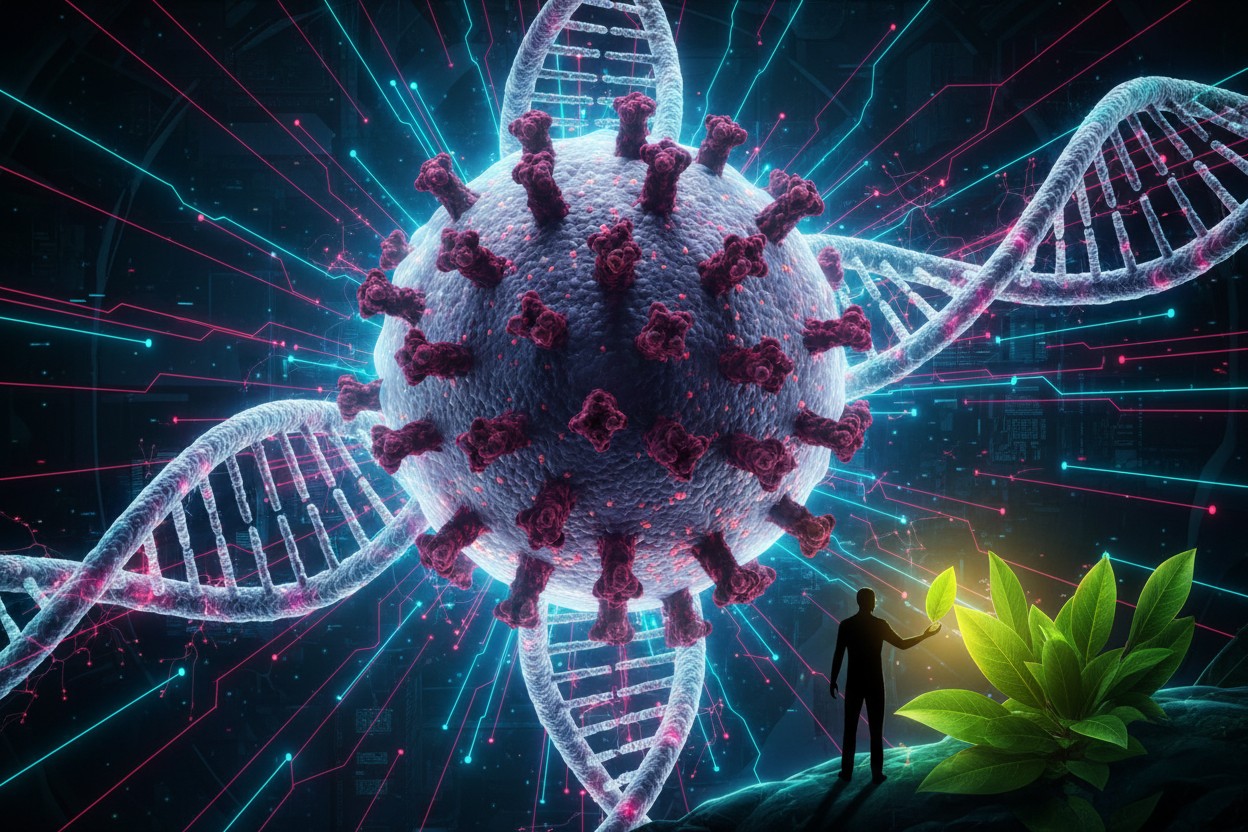
AI Generates Functional Viral Genomes
Researchers at Stanford University and the Arc Institute used generative AI to produce 16 novel bacteriophages. These functional viral genomes successfully infected and killed bacteria in lab settings. While targeting bacteria, the experiment demonstrates AI's ability to engineer biological agents. This capability forces a critical re-evaluation of biosafety guardrails for generative models.