Hardware3h ago
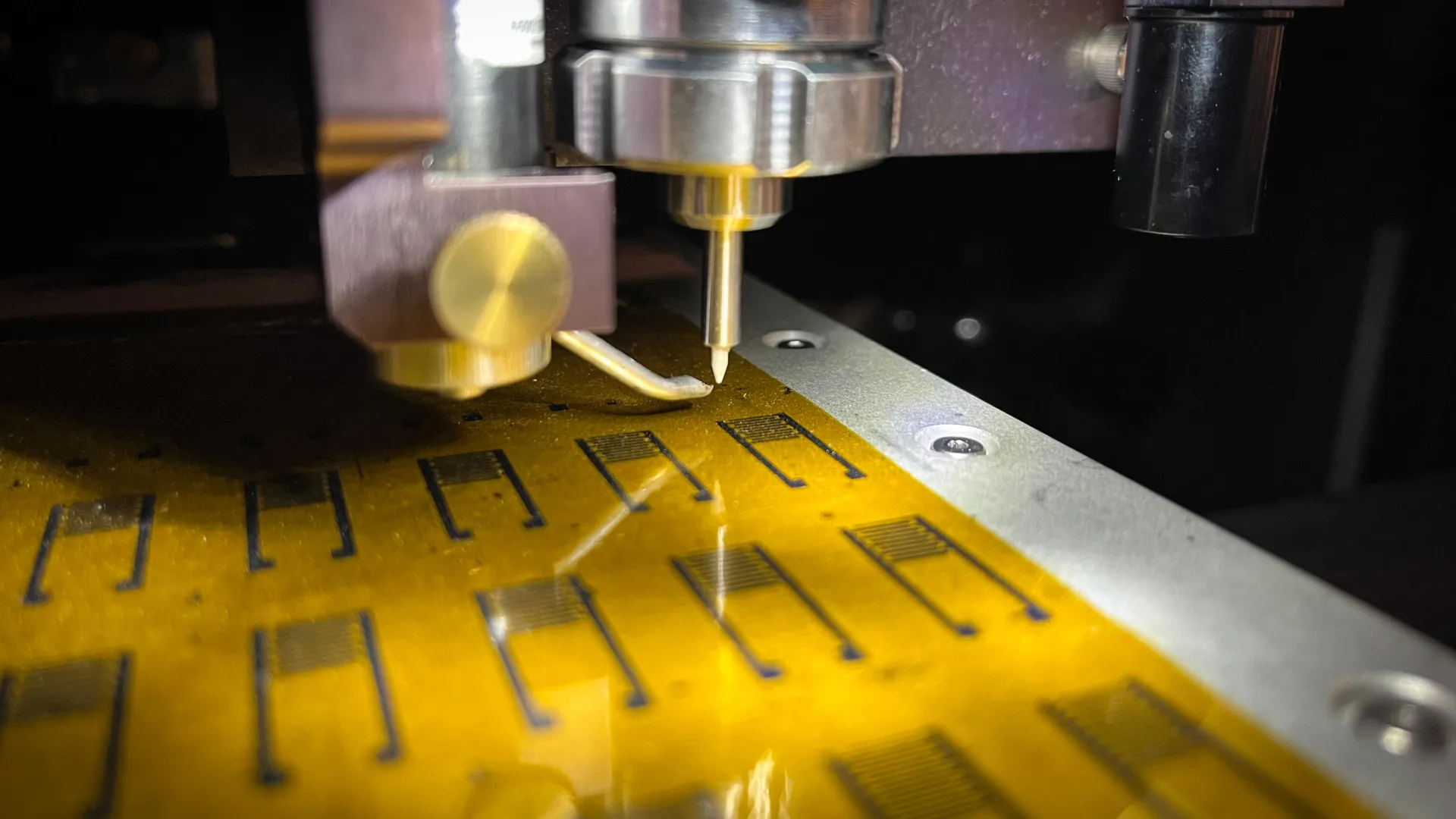
Artificial Neurons Communicate With Living Brain Cells
Engineers at Northwestern University printed flexible, low-cost artificial neurons that generate lifelike electrical signals. These devices successfully transmit data to living brain cells via conductive polymers. This bridge between synthetic hardware and biological tissue enables more precise neural interfaces. Practitioners can now test brain-machine integration without relying on rigid, invasive silicon implants.